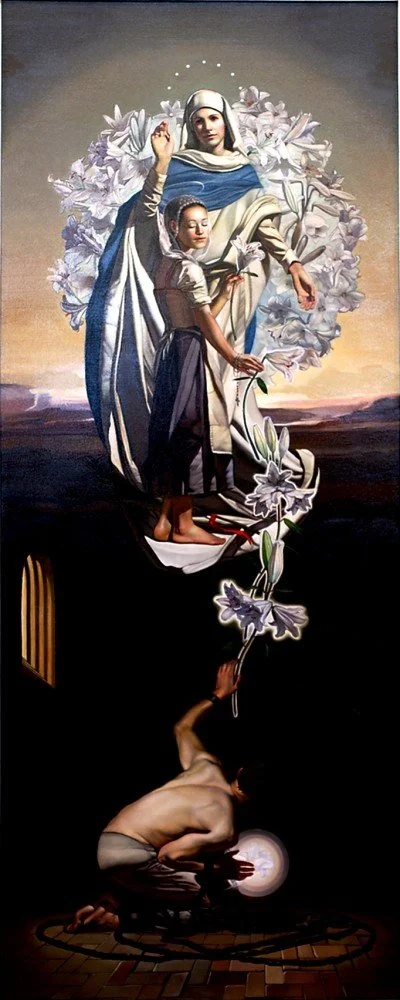
“He loves, He hopes, He waits. Our Lord prefers to wait Himself for the sinner for years rather than keep us waiting an instant.”
— St. Maria Goretti
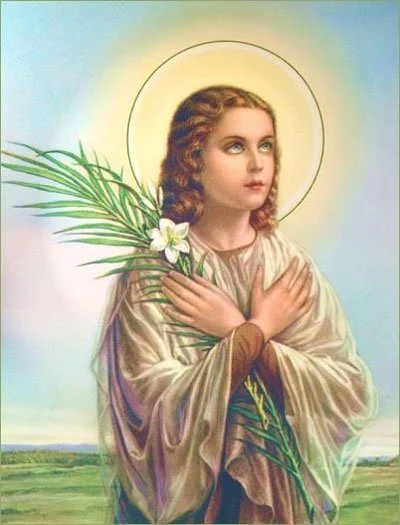
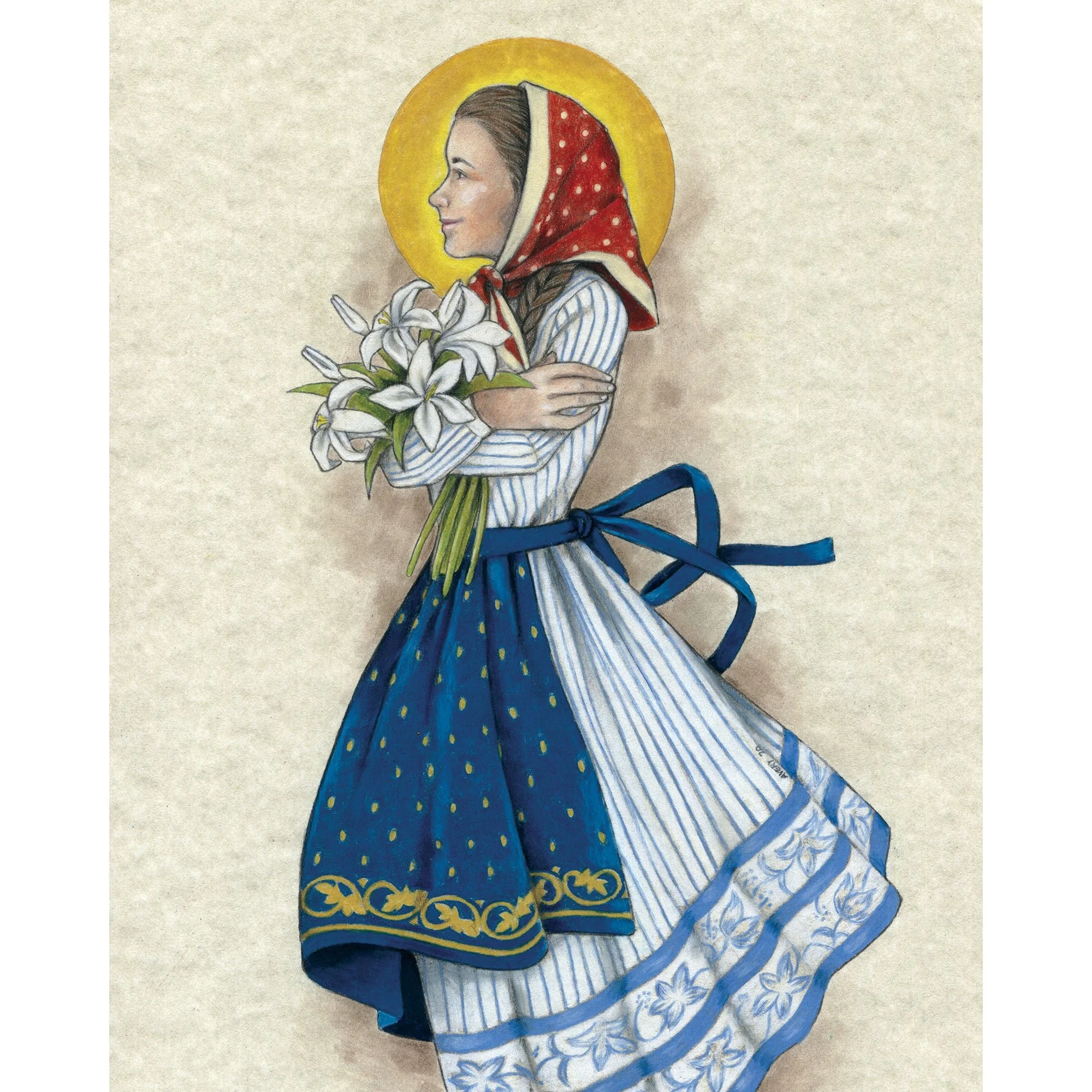
I could see this quote. I could read it. I could even touch it—but I could not yet hold onto it.
These words of Maria’s I had heard for years. After all, she is my Confirmation saint. Yes, I found them beautiful. Yes, I could intellectualize what they meant and explain them to another. I recognized the Heart of the Father being revealed within them. But it was only in God’s timing that these words would finally sit down at the table of my heart, inviting me to feast on their meaning.
What was it that little Maria was trying to teach me through these words?
As promised in my last blog, here is Part Two of uncovering the wanderings of my heart during this Pilgrimage Year of Hope.
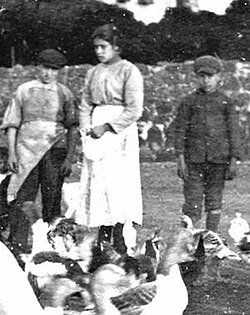
St. Maria Goretti
No words can describe the immense joy I have in introducing this friend of mine to you—whether you are meeting her for the first time, or whether you have known her for years and are ready to encounter her more deeply.
I love Maria Goretti, or Marietta, as her family lovingly called her. I love her as one loves a childhood friend, or a companion who has walked with you through both joy and sorrow—a friend whose presence you simply want to linger with.
This year, Maria became for me an exemplary model of hope. Praise God that there is a multitude of saints who embody this virtue—Mary Magdalene, Maximilian Kolbe, Peter, Augustine, Pope John Paul II, to name only a few. Yet as I wrestled with the words of The Portal of the Mystery of Hope (see my blog The Crowning of Hope for further reflection), I began to see hope more clearly for one of the facets of what it truly is: the innocent awaiting of another person’s repentance.
Hope is the virtue of the Heart of a Good, Loving, and Patient Father—one who waits, who hopes, who longs for His son to come home.
10 Facts About the Story of Maria Goretti
My dear friends, in coming to know little Marietta, I have found her to stand among the great saints who embody the imperishable virtue of hope. She is the patron of forgiveness, purity, young women, and survivors of sexual violence. Her life was one of mercy—a life lived in hope, in the patient awaiting of the Kingdom of Heaven for which she was made.
Here are some facts, perhaps familiar, perhaps new, that help tell her story:
Maria was born to Luigi and Assunta Goretti, an impoverished farming family who struggled even to provide basic education for their children.
At the age of nine, Maria lost her father and was forced into early responsibility, caring for her five younger siblings while her mother labored in the fields. The loss of her father left a wound in Maria’s heart that never fully healed. Every day she faithfully prayed for his soul to be received into Heaven.
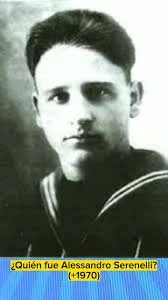
Maria was known for her piety and quiet beauty, which often attracted unwanted attention from boys—attention she endured silently and modestly. Among those was Alessandro Serenelli, a neighbor with whom the Goretti family shared living quarters.
On July 5, 1902, Alessandro made sexual advances toward Maria while she was alone at home tending the kitchen. Maria resisted his assault, crying out, “No! It is a sin! God does not want this! You will surely go to hell if you commit this sin!”
Enraged, Alessandro stabbed Marietta fourteen times and left her for dead. Maria endured grievous wounds to her vital organs, including the piercing of her own heart—a detail that intimately binds her suffering to the Passion of Our Lord, whose Heart was also pierced.
Maria’s final words were an act of mercy beyond comprehension: “I forgive Alessandro Serenelli, and I want him to be with me forever in Heaven.”
Years later, during his thirty-year prison sentence, Maria appeared to the bitter Alessandro in a dream, offering him fourteen white lilies, one for each wound he had inflicted. As he received them, they burst into flame, igniting his repentance.
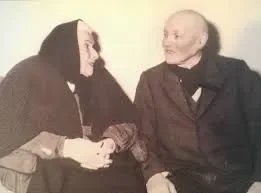
After his release, Alessandro sought forgiveness from Maria’s mother, Assunta. She forgave him, saying that if Maria had forgiven him on her deathbed, she could do no less. They attended Mass together the following day and received Holy Communion side by side. In time, Assunta took Alessandro in as her own son.
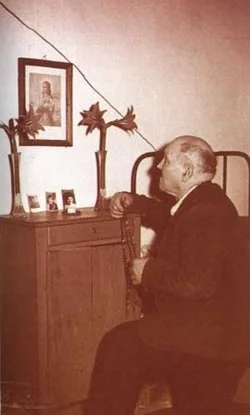
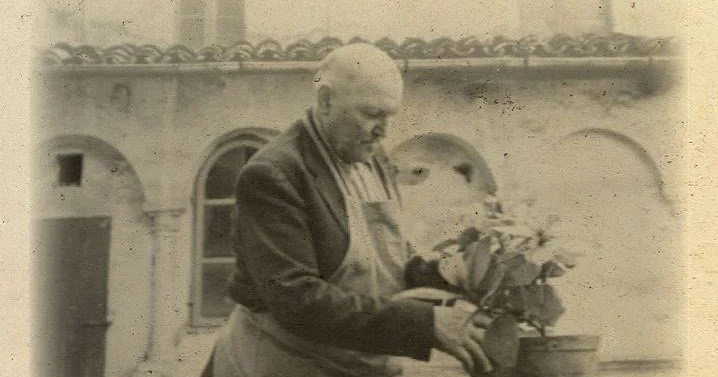
Later in life, Alessandro lived in a Capuchin monastery, devoting himself to prayer, penance, and service. He prayed to Maria daily and referred to her as “my little saint.”
Both Assunta, Maria’s mother, and Alessandro, Maria’s murderer, were present at Maria’s canonization on June 24, 1950.
Maria: What We Can Learn from Her
Wow.
This is a girl deeply acquainted with suffering, a girl who had every reason to turn away from God, to rebel, to harden her heart. Maria Goretti is honored as a martyr of purity, yet her martyrdom goes far beyond chastity alone. She fought for the innocence of both her own heart and Alessandro’s.
She could have surrendered and preserved her earthly life. Instead, she chose to live in hope of eternal life, trusting that “the one who perseveres under trial will receive the crown of life that God has promised. (James 1:12)”
Consider one of the final conversations Maria had with her doctor in her last hours:
“Remember, my child, how He died upon the Cross—how He forgives everyone, and showed particular mercy to the penitent thief with the generous promise: ‘Today you will be with Me in Paradise.’”
He leaned closer and asked, “And you, Maria, do you forgive your murderer with all your heart?”
“Yes,” she replied without hesitation. “Yes, for the love of Jesus, I forgive him… and I want him to be with me in Paradise.”
This, my friends, is the power of hope.
Hope made incarante.
Hope lived.
It is the patient awaiting of the prodigal’s return to the Father’s house. And what feels almost unbelievable is that Alessandro did repent. Even more astonishing: the mother whose daughter was murdered forgave the man who killed her.
Both Maria and Assunta allowed their hearts to be conformed to the innocence of God’s own Heart. They saw Alessandro as God saw him: a son worth waiting for, worth hoping for, worth longing for, a son who is made for Heaven.
Alessandro Serenelli, the murderer of Maria Goretti, became the crowning of God’s hope because he repented, because he allowed the reaching Hand of grace to finally touch him and bring him home.
Is that statement controversial? Yes.
Does it make us uncomfortable? Perhaps.
But here was a man whose soul was dead in sin, whose hands were stained with innocent blood and yet, he came home. God’s hope was made manifest in him.
To live in a hope this vast can seem impossible. To live in a hope that offers forgiveness to one who has wronged you feels otherworldly. To live in a hope that says no to sin because it trusts that fulfillment will come one day—that is courage.
Yes, my friends, this hope is courageous.
It is fierce and steadfast, tested and true.
And it begins in littleness: in the small ways we allow ourselves to come home, to repent, and to wait with the God who is always waiting for us.